Analyzing Synchronization Between Authentication Steps and Feature Unlocks in Licensed Digital Gaming Applications
Geschrieben von Paul Schmitz · 10.11.2026
Analyzing Synchronization Between Authentication Steps and Feature Unlocks in Licensed Digital Gaming Applications
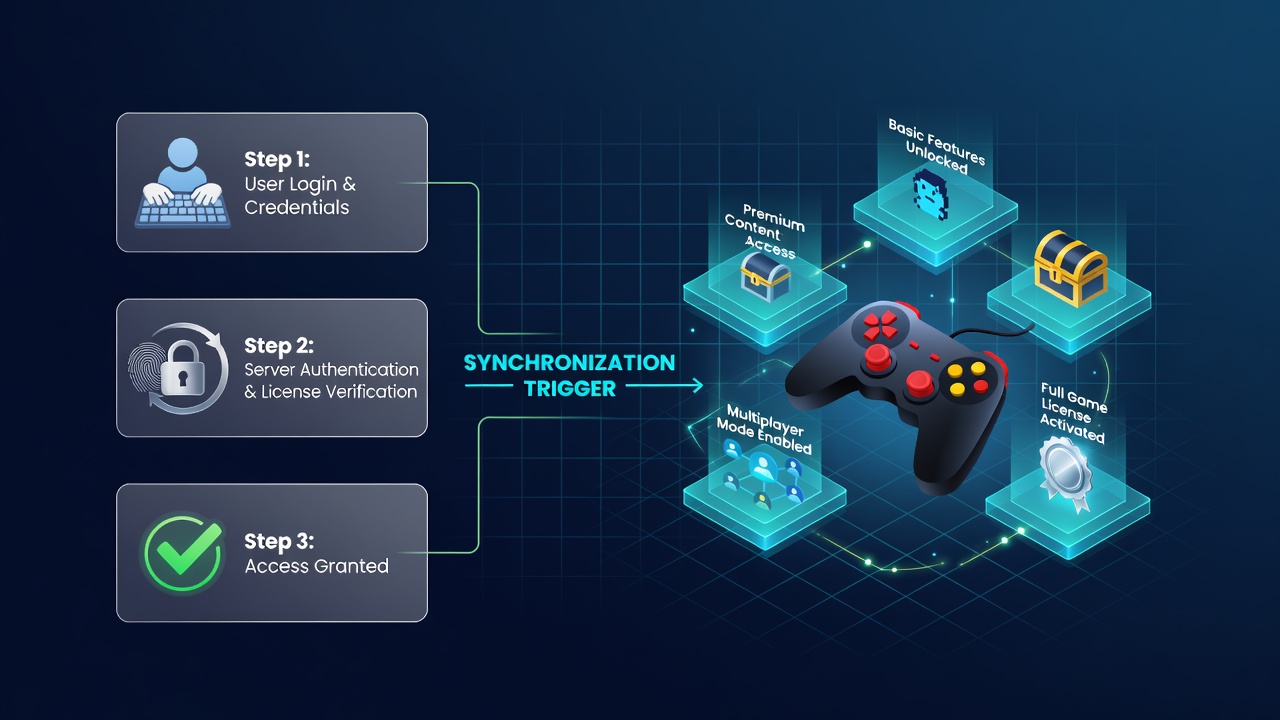
Developers in licensed digital gaming applications coordinate authentication sequences with feature unlock mechanisms to maintain compliance and prevent unauthorized access across platforms. This coordination involves token validation steps that trigger progressive content releases, such as additional levels or multiplayer modes, once user credentials pass verification checkpoints. Research from the Entertainment Software Association indicates that synchronized systems reduce account sharing incidents by aligning server-side checks with client-side feature gates in real time.
Core Components of Authentication and Unlock Processes
Authentication typically begins with multi-factor methods including device binding and session tokens, which then feed directly into unlock protocols that release licensed content bundles. Experts at the National Institute of Standards and Technology have documented how these layered steps create audit trails that track every permission escalation from initial login through to feature activation. Data from industry reports shows that games using unified APIs for both processes experience fewer desynchronization errors, particularly during peak usage periods when thousands of concurrent sessions require simultaneous validation.
Feature unlocks often depend on server responses that confirm license status before granting access, and this dependency creates tight coupling between the two systems. Observers note that delays in one area propagate to the other, resulting in users encountering locked content even after successful sign-in. Studies conducted by university research groups reveal that implementing event-driven architectures allows authentication events to publish directly to unlock handlers, which streamlines the entire workflow without introducing additional latency.
Technical Integration Patterns Across Platforms
Many licensed applications employ OAuth 2.0 frameworks combined with custom middleware to handle the handoff from credential verification to content gating. This approach lets developers embed license checks inside the same request cycle that processes login data, ensuring that only verified accounts receive unlock signals. Figures from Canadian digital media reports highlight how console ecosystems have adopted similar patterns since 2024, with synchronization improving after updates to their backend services.
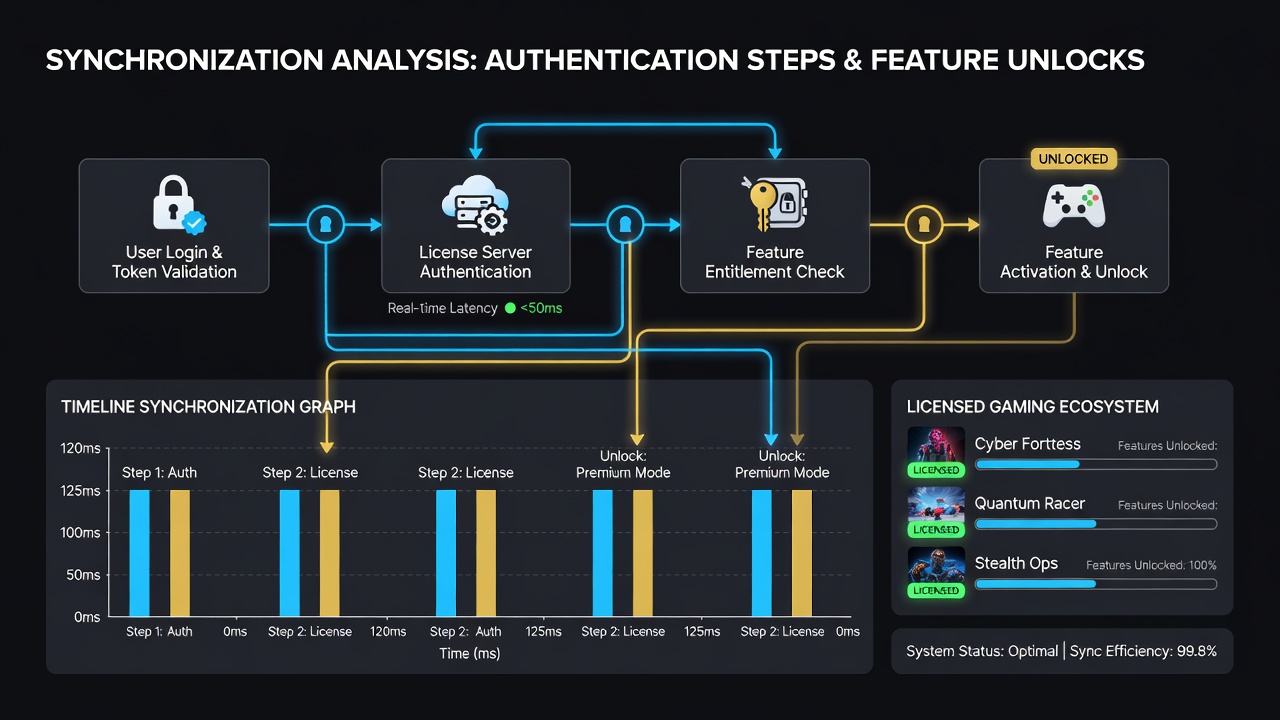
Cross-platform titles face additional challenges because mobile and desktop clients maintain separate session states that must reconcile through central servers. Researchers discovered that employing distributed ledger techniques for license tracking helps maintain consistency when users switch devices mid-session. The reality is that without precise timing between authentication renewal and feature re-validation, players encounter abrupt lockouts that disrupt gameplay flow.
Regulatory and Compliance Considerations
Licensed gaming applications must satisfy regional requirements that mandate verifiable links between user identity confirmation and access to paid or restricted features. In November 2026 several jurisdictions plan to enforce stricter reporting on these synchronization logs to combat account fraud more effectively. Government agencies in Australia and the European Union have issued guidelines that emphasize real-time monitoring of authentication-to-unlock transitions as part of broader digital content protection strategies.
Industry organizations such as the Interactive Games and Entertainment Association track how developers adapt their architectures to meet these standards while preserving performance. Evidence suggests that applications failing to maintain tight synchronization risk license revocation or mandatory audits, which further incentivizes robust integration. Those who've examined production environments know that logging every token exchange alongside unlock events provides the documentation needed during compliance reviews.
Future Developments and Implementation Challenges
Emerging standards around biometric authentication and passwordless flows continue to influence how feature unlocks are timed relative to identity checks. Developers experiment with edge computing nodes that perform preliminary validations closer to the user, which reduces round-trip delays before content becomes available. Academic papers presented at recent gaming technology conferences outline models where machine learning predicts potential desync points based on network conditions and user behavior patterns.
Yet integration remains complex because legacy codebases often separate authentication modules from content delivery systems, requiring significant refactoring to achieve seamless operation. Data indicates that studios investing in unified state machines report higher success rates when rolling out new licensed titles. What's significant is the growing reliance on these synchronized systems as digital gaming expands into subscription models that unlock content incrementally based on account status.
Conclusion
Synchronization between authentication steps and feature unlocks forms a foundational element in maintaining the integrity of licensed digital gaming applications. Technical patterns, regulatory pressures, and platform-specific demands all shape how these processes interact in production environments. Continued refinement of integration methods supports secure access while meeting evolving compliance expectations across global markets.