Decoding Cross-Studio Variations in RNG Calibration for Bonus-Triggered Features on Austrian Mobile Platforms
Geschrieben von Petra Klein · 13.10.2026
Decoding Cross-Studio Variations in RNG Calibration for Bonus-Triggered Features on Austrian Mobile Platforms
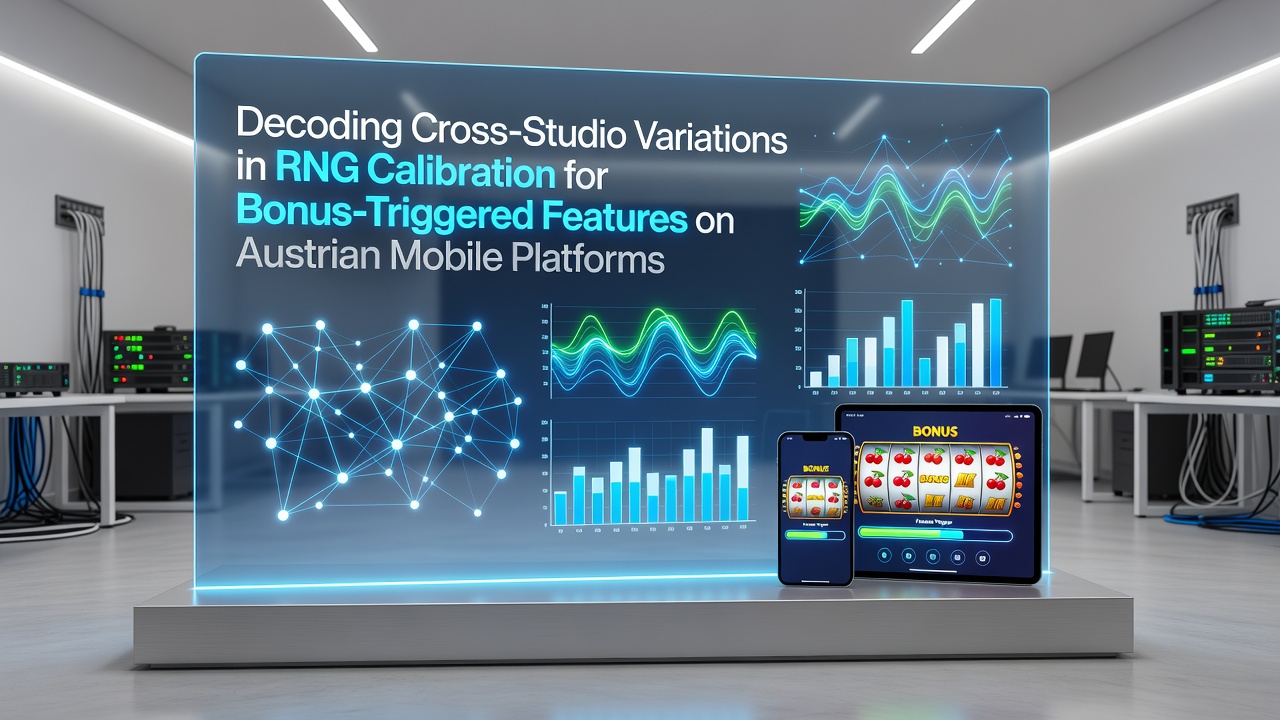
Random number generators form the foundation of fair play in digital gaming environments, and Austrian mobile platforms rely on precise calibration standards that differ from one development studio to another. These variations appear most clearly in bonus-triggered features, where payout frequencies, trigger probabilities, and reward distributions receive adjustments based on each provider's internal testing protocols and compliance frameworks. Data from regulatory filings shows that studios apply distinct mathematical models to meet the same overarching Austrian requirements while still producing measurable differences in player experience across devices.
Core Principles of RNG Calibration
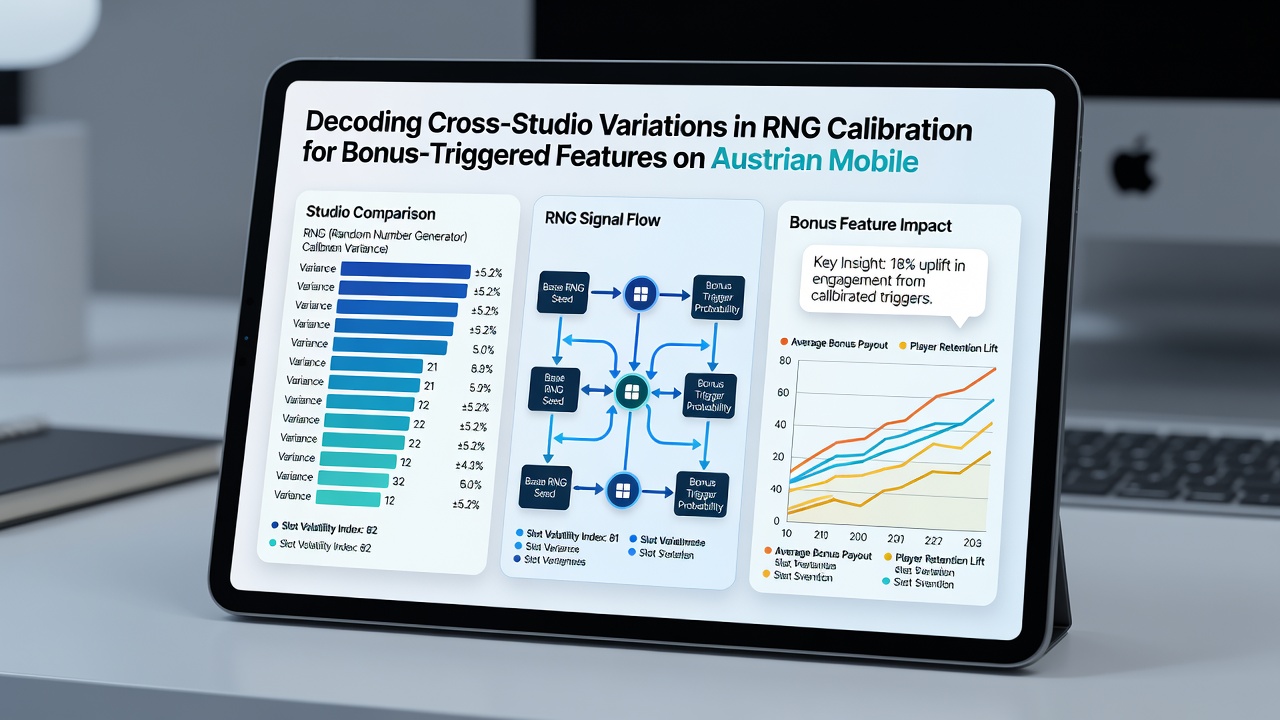
Calibration involves setting seed values, adjusting distribution curves, and verifying statistical independence across millions of simulated outcomes before a game receives approval for release on licensed Austrian platforms. Researchers have documented how some studios favor tighter variance controls that reduce extreme swings in bonus rounds, whereas others implement broader ranges that allow for higher volatility sequences. These choices stem from each studio's proprietary algorithms, which undergo review by accredited testing laboratories to confirm alignment with national fairness criteria. Observers note that calibration files submitted for Austrian mobile certification often include detailed logs of bonus activation rates measured at intervals of 10,000 spins or more.
Studio-Specific Approaches and Their Effects
Major developers maintain separate calibration teams that interpret Austrian guidelines through the lens of their existing codebases, leading to consistent but non-identical outcomes. One studio might calibrate bonus triggers to activate at a fixed 1-in-120 rate during base play, while another adjusts this figure dynamically based on session length and recent win history. Figures released by testing houses reveal that these differences persist even after multiple rounds of regulatory feedback. Mobile platforms amplify the visibility of such variations because players frequently switch between applications within a single session, encountering contrasting bonus behaviors without leaving the Austrian-licensed ecosystem.
Regulatory Context and Compliance Checks
Austrian authorities require all RNG implementations to undergo continuous monitoring after launch, with operators submitting periodic reports that highlight any deviations from certified parameters. The process includes verification of bonus feature integrity through independent audits conducted at least quarterly. According to information from the Austrian Federal Ministry of Finance, these checks encompass both server-side and client-side RNG components to prevent manipulation on mobile networks with variable latency. Studios adapt their calibration pipelines to accommodate these audits, often building in redundant verification layers that differ in implementation yet satisfy the same technical thresholds.
Bonus Feature Mechanics Across Providers
Bonus-triggered elements such as free spin multipliers, pick-and-click rounds, and progressive jackpots depend heavily on the underlying RNG calibration. Studies conducted by European research institutions indicate that calibration differences can shift the expected return-to-player percentage within bonus segments by several basis points, even when overall game RTP remains constant. Mobile users encounter these shifts when transitioning between titles from competing studios, as each provider's bonus engine processes random outcomes through unique weighting tables. Data collected from platform analytics shows higher engagement rates on titles whose calibration produces more frequent small bonus awards compared with those emphasizing rarer, larger payouts.
Mobile Platform Adaptations
Smartphone and tablet environments introduce additional variables including battery state, network handoffs, and background process interference that can affect RNG seed generation if not properly isolated. Developers address these factors through calibration adjustments that account for mobile-specific entropy sources while preserving statistical randomness. Austrian certification pathways explicitly test for such conditions, requiring studios to demonstrate consistent bonus behavior across iOS and Android builds. Reports from industry testing laboratories document cases where initial calibrations failed mobile stress tests and required subsequent tuning before final approval.
Anticipated Changes in October 2026
Updated technical standards scheduled for implementation in October 2026 will introduce new requirements for cross-studio RNG interoperability testing on Austrian mobile platforms. These standards focus on standardized reporting formats for bonus trigger probabilities and mandate additional entropy checks during live operation. Preparation efforts already underway include revised calibration documentation templates that studios must adopt to maintain licensing. Regulatory announcements indicate that the changes aim to reduce discrepancies observed in bonus feature performance without forcing complete uniformity across development approaches.
Conclusion
Cross-studio variations in RNG calibration continue to shape how bonus-triggered features operate on Austrian mobile platforms, with each provider balancing regulatory compliance against its own technical methodologies. Ongoing monitoring and the upcoming October 2026 updates provide structured mechanisms for addressing these differences while supporting innovation in game design. Accurate documentation and independent verification remain central to maintaining transparency across the sector.