Unpacking Payment Flow Adaptations in Austrian Mobile Betting Under Provider Compliance Checks
Geschrieben von Paul Schmitz · 26.8.2026
Unpacking Payment Flow Adaptations in Austrian Mobile Betting Under Provider Compliance Checks
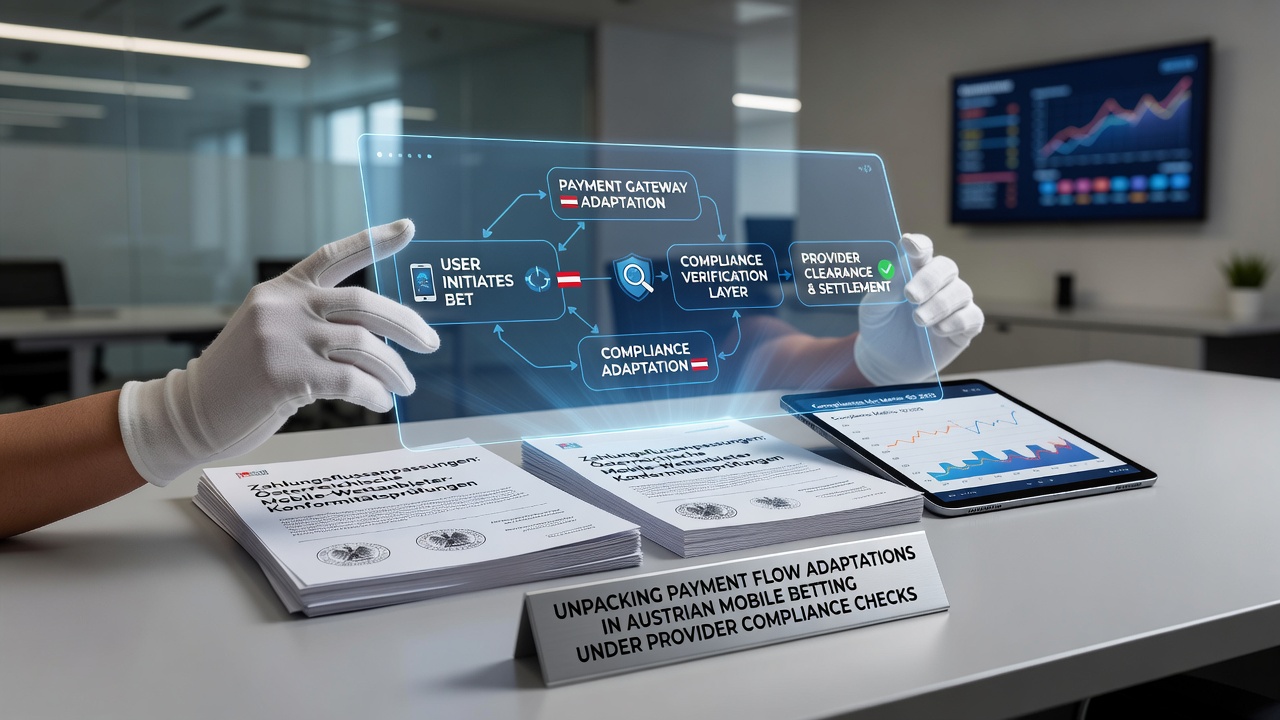
Payment systems in Austrian mobile betting have undergone targeted adjustments to align with provider compliance verification processes, and these changes reflect broader regulatory expectations that emphasize secure transaction handling. Austrian authorities maintain oversight through licensing requirements that mandate providers to implement ongoing checks on financial flows, which include identity verification steps integrated directly into deposit and withdrawal sequences.
Regulatory Context Shaping Payment Adjustments
Austria's framework for mobile betting requires licensed operators to conduct compliance audits that extend to every stage of payment processing, and this structure ensures that transaction data aligns with anti-money laundering standards set at the national level. Providers must integrate automated monitoring tools that flag unusual patterns in real time, which forces adaptations such as layered authentication protocols during high-volume betting periods. Observers note that these requirements have prompted platforms to update their backend systems without disrupting user access on smartphones or tablets.
Core Elements of Compliance Checks
Provider compliance checks typically involve cross-referencing user account details against official registries, and payment flows adapt by embedding these verifications into the initial funding step rather than after the fact. Data from regulatory filings shows that operators now route transactions through centralized compliance engines that validate source of funds before funds reach the betting wallet. This approach reduces delays while maintaining audit trails that regulators can review on demand.
Technical Modifications in Mobile Payment Pathways
Mobile betting apps have incorporated API connections that link directly to banking partners and compliance databases, allowing seamless flow while satisfying provider mandates. These integrations support features like instant balance updates after each check completes, and they accommodate both bank transfers and digital wallet options common among Austrian users. Research indicates that such adaptations have streamlined processing times across multiple licensed platforms since the rollout of enhanced verification modules.
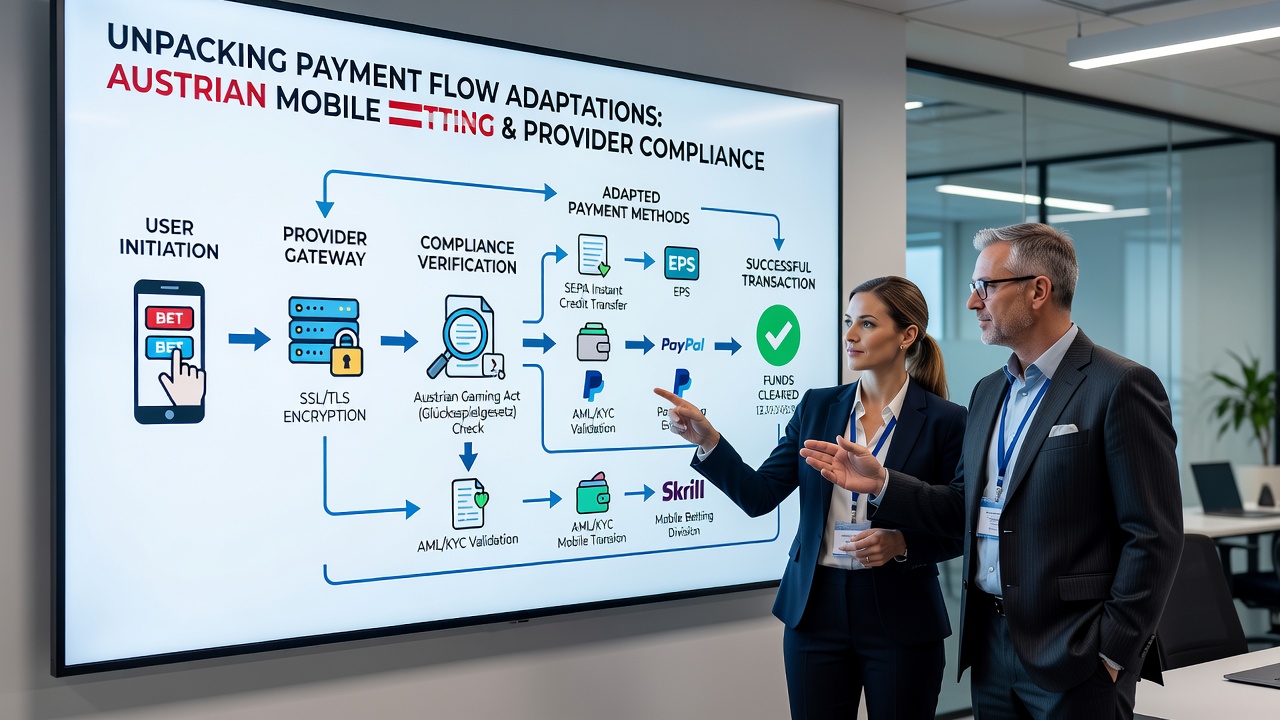
Payment gateways now include fallback mechanisms that pause transfers when compliance flags appear, and operators route these cases to manual review teams equipped with secure portals. This setup maintains continuity for standard transactions while isolating potential issues without halting overall platform activity. Those who manage these systems report that the architecture supports scalability as user volumes increase during major sporting events.
Impact on User Transaction Experiences
Users encounter additional confirmation screens during deposits when compliance thresholds trigger deeper checks, yet the overall process remains designed for quick resolution on mobile devices. Operators have adjusted withdrawal procedures to include pre-approval stages that confirm account status against provider records before releasing funds. Figures reveal that these steps have contributed to higher completion rates for verified transactions across Austrian mobile betting channels.
Adaptations Emerging Around August 2026
By August 2026, further refinements are scheduled to take effect under updated compliance guidelines that emphasize real-time data sharing between providers and financial institutions. These updates will require payment flows to incorporate predictive analytics that anticipate compliance needs based on betting patterns, and mobile platforms are already testing the necessary software layers. External analysis from the European Commission digital services overview highlights similar trends in other member states, which Austrian operators are using as reference points for their implementations.
Industry Data and Observed Patterns
Industry reports compiled through 2025 demonstrate that adapted payment flows have lowered the incidence of flagged transactions in Austrian mobile betting by measurable margins. Providers continue to refine these systems through iterative testing cycles that focus on edge cases such as cross-border payments or multi-currency handling. A study referenced by the Council of Europe gambling policy documents underscores the value of integrated compliance tools in maintaining platform integrity without compromising speed.
Conclusion
Payment flow adaptations in Austrian mobile betting continue to evolve in response to provider compliance checks, and the resulting systems prioritize both regulatory alignment and operational efficiency. These developments position the sector to handle increasing transaction volumes while upholding verification standards that protect all parties involved. Ongoing refinements through 2026 and beyond will likely build on the current foundation of automated monitoring and seamless integration.